
Downtown Phoenix has changed a great deal in the past two decades. Apartment towers, university buildings, museums and restaurants now fill blocks that were once mostly parking lots, and the light rail runs straight through. Just north, Roosevelt Row is the city’s best-known arts district, with galleries, murals and small businesses in older buildings. This guide explains what daily life is like in and around downtown, and who it suits best.
Key takeaways
- Downtown is one of the few parts of the Valley where you can realistically live without driving every day.
- Roosevelt Row mixes older bungalows and new apartments with galleries, murals and restaurants.
- Summer heat still shapes daily life downtown, so shade, covered parking and walking distance matter.
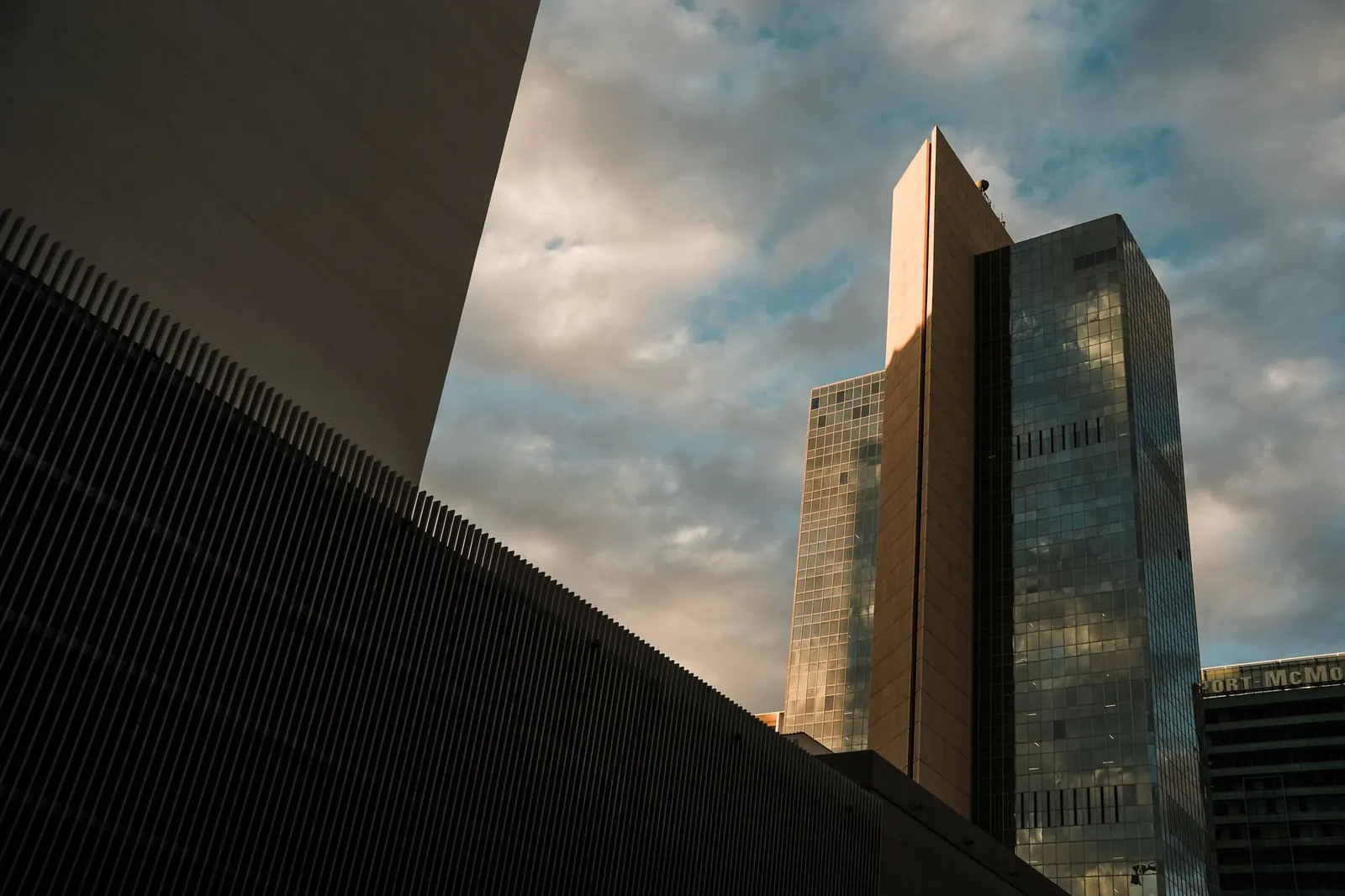
What downtown offers
Downtown is the region’s main business and government center. It has sports arenas, a convention center, concert venues, performing arts theaters and a university campus. Housing is mostly apartments and condominiums, from high-rise buildings with pools to smaller mid-rise complexes. Groceries, gyms and restaurants are within walking distance for many residents, and events bring crowds on game nights and weekends.
Roosevelt Row and the arts district
Roosevelt Row, often called RoRo, runs along Roosevelt Street just north of downtown. It is known for its murals, independent galleries and creative spaces. The neighborhood holds regular art walks where galleries open their doors in the evening. Housing here includes restored early 20th-century bungalows, small apartment buildings and newer mid-rise projects. The mix of old and new is part of its character.
Getting around
The Valley Metro light rail connects downtown with Midtown, Tempe and Mesa, and according to the transit agency the system covers about 35 miles across those cities. Buses fill in the gaps, and many residents bike or walk short trips in the cooler months. Sky Harbor International Airport is a short drive or light rail connection away, which is a major convenience for frequent travelers. For more on transportation, see Choosing Where to Live in Phoenix Around Your Commute.
Downtown vs Roosevelt Row
| Downtown core | Roosevelt Row | |
|---|---|---|
| Housing | High-rise and mid-rise apartments, condos | Bungalows, small complexes, new mid-rise |
| Feel | Busy on event nights, business district by day | Creative, local shops and galleries |
| Parking | Garages, often paid | Street parking and small lots |
| Noise | Higher near arenas and venues | Varies block by block |
Who downtown suits
Downtown works well for people who want an urban lifestyle, students and staff at downtown campuses, professionals who work nearby and anyone who wants to be close to the airport and events. It can be a good first home in Phoenix for people who are still learning the Valley, since you can reach many areas by light rail. Families who want a yard and quiet streets often prefer the historic districts nearby or the suburbs.
Tip: Walk the route from a building to the nearest grocery store and light rail station at midday before you sign a lease. A distance that feels easy in March can feel very different in July.
Living with heat in the city
Pavement and buildings hold heat, so downtown can stay warm late into the evening in summer. Look for buildings with covered or garage parking, shaded walkways and good air conditioning. Many residents shift errands and walks to early morning or after dark in the hottest months. Our guide to Living With Phoenix Summer Heat: A Newcomer’s Guide covers the basics.
Questions to ask a building
- Is parking included, covered or charged separately?
- How are utilities billed, and what are typical summer electric costs?
- What is the noise like on event nights?
- Are there shaded outdoor areas, and is the pool cooled or shaded in summer?
- How far is the nearest light rail station?
Costs to expect
Downtown apartments often cost more per square foot than suburban ones, and parking may be an extra monthly fee. On the other hand, living near work and transit can reduce the need for a second car. Compare the full monthly cost, including parking and utilities, rather than rent alone. Our guide to Renting in Phoenix: Deposits, Leases and Tenant Basics explains deposits and lease terms under Arizona law.
Common mistakes
Some newcomers pick a downtown apartment based on photos without checking what is next door. A building near an arena or a nightlife block will be louder on weekends. Others assume downtown is fully walkable and are surprised by gaps with little shade. Walk the area at different times, and check how the neighborhood feels on a game night before you decide.
Frequently asked questions
Can I live downtown without a car?
Many people do, using the light rail, buses, walking and ride-hailing. It depends on where you work and how often you leave the central area.
What is First Friday?
Roosevelt Row and nearby galleries have long held evening art walks. Check local listings for current dates and events.
Is downtown good for families?
Some families enjoy it, but most look at nearby historic districts or suburbs for yards, schools and quieter streets.
For a wider view of the city, read Phoenix Neighborhoods: A Newcomer’s Overview.