
Most people moving to Phoenix rent first, even if they plan to buy later. Renting lets you learn the Valley, test a commute and live through a summer before making a bigger commitment. Arizona has its own landlord and tenant law, and knowing the basics helps you avoid surprises with deposits, fees and move-out. This guide covers what newcomers should know before signing a lease.
Key takeaways
- Under Arizona law, a landlord generally cannot collect more than one and a half months’ rent as security, including prepaid rent.
- Any fee not clearly labeled as nonrefundable in writing is treated as refundable.
- After you move out and ask for your deposit, the landlord has a set time to send an itemized list of deductions.
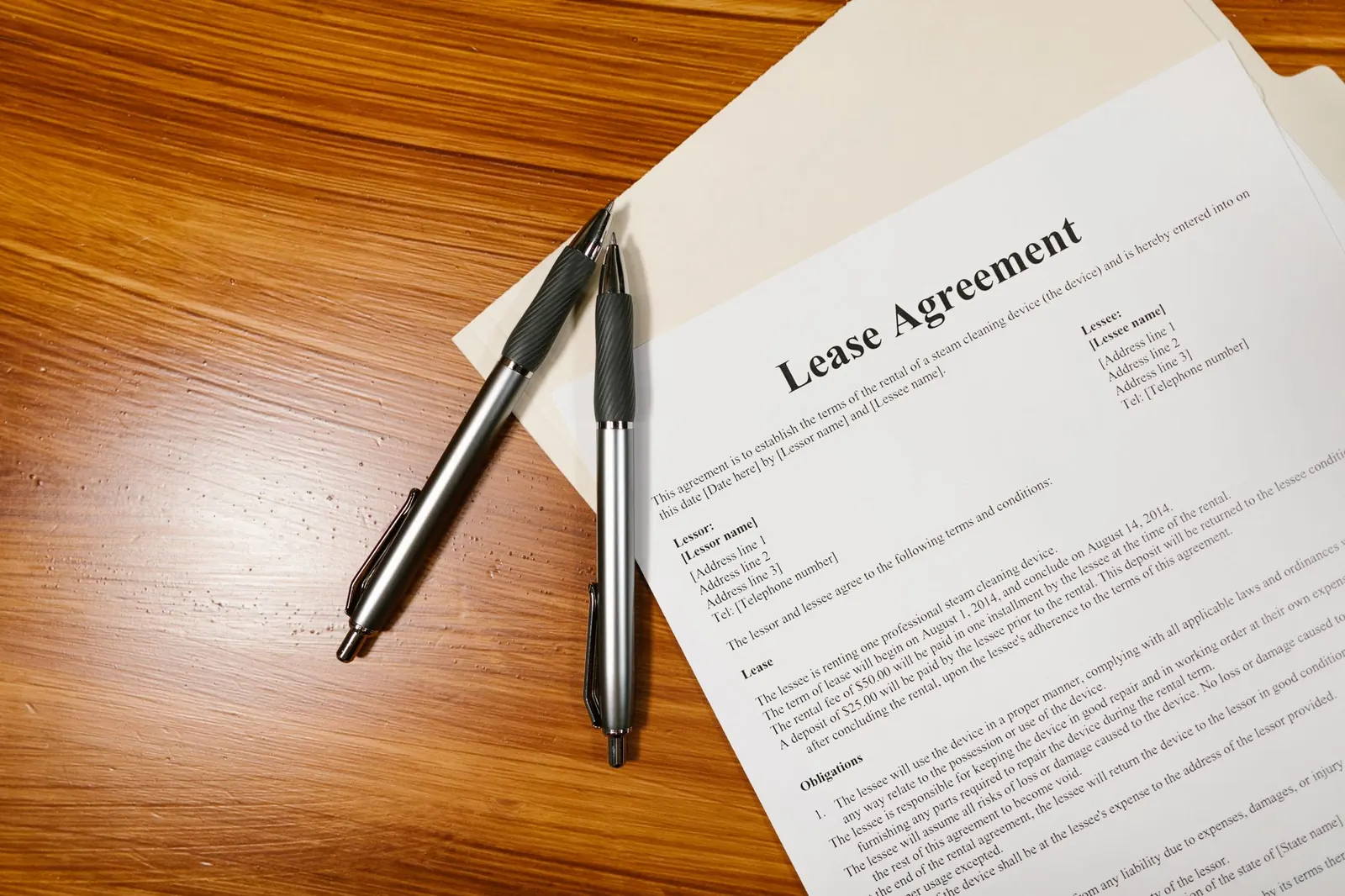
The Arizona Residential Landlord and Tenant Act
Arizona’s rules for most residential rentals are in the Arizona Residential Landlord and Tenant Act, a part of state law. The Arizona Department of Housing publishes a copy for tenants and landlords. It covers deposits, repairs, entry, notices and move-out. Some types of housing, such as mobile home parks, have separate rules. Read the act or the department’s summary before you sign, and keep a copy of your lease.
Security deposits
According to Arizona law, a landlord cannot demand or receive security, however it is labeled, including prepaid rent, of more than one and a half months’ rent. A tenant can choose to pay more rent in advance voluntarily. The purpose of any nonrefundable fee must be stated in writing, and any fee or deposit not labeled as nonrefundable is refundable. Ask for a written breakdown of every charge at signing.
Getting your deposit back
After the lease ends, you move out and request your deposit, the law gives the landlord 14 days, not counting weekends and legal holidays, to provide an itemized list of deductions and return any amount due. If a landlord wrongfully withholds money, the tenant may be able to recover it plus damages. Take dated photos when you move in and move out, and give a forwarding address in writing.
Apartment vs single-family rental
| Apartment community | Single-family home | |
|---|---|---|
| Maintenance | On-site staff, faster for many repairs | Owner or property manager, varies |
| Utilities | Some bundled, often billed back | Usually all in your name |
| Space | Smaller, shared amenities such as pools | Yard, garage, more room |
| Summer costs | Smaller space to cool | Larger space, higher cooling bills |
Which one fits
Apartments often suit people who are new to the Valley, travel often or want amenities without upkeep. Single-family rentals suit families, pet owners and people who want a garage and yard. Whichever you choose, ask how cooling is handled and what summer bills usually look like, since air conditioning is essential in Phoenix.
Tip: Ask the landlord or property manager what happens if the air conditioning fails in summer, and how quickly they respond. Get the answer in writing if you can.
What to check before you sign
- The total monthly cost, including rent, utility bill-backs, parking, pet rent and trash or amenity fees.
- Which fees are refundable and which are not, in writing.
- The age and condition of the air conditioning system.
- Whether the rental is in a homeowner association with its own rules.
- The move-in inspection checklist, completed and signed.
Repairs and landlord entry
Arizona’s act sets out duties for both sides. Landlords generally must keep the home fit to live in and keep essential services such as cooling working, while tenants must keep the unit clean and avoid damage. Repair requests should be made in writing so there is a record. The act also covers when and how a landlord may enter the unit, usually with advance notice except in emergencies. Read the relevant sections before a problem comes up, so you know which notices to send and when.
Utilities and summer bills
Electricity is the big variable in Phoenix. Cooling a home through the summer can raise bills sharply. Ask which electric provider serves the address and what typical summer bills have been. Some providers offer plans that price power differently by time of day. Our Phoenix Cost of Living: What to Budget For covers utilities in more detail.
Common mistakes
The most common mistake is signing without checking which fees are nonrefundable. Another is skipping the move-in inspection, which makes deposit disputes harder later. Newcomers also sometimes rent sight unseen from online listings. Rental scams exist everywhere, so confirm who owns the property and never wire money before seeing a unit and a lease.
Frequently asked questions
How much can a landlord charge for a deposit in Arizona?
Under state law, security including prepaid rent is generally capped at one and a half months’ rent, though a tenant can voluntarily prepay more rent.
How long does a landlord have to return a deposit?
The law sets 14 days, excluding weekends and holidays, after the tenancy ends, possession is returned and the tenant makes a demand.
Where can I read the law?
The Arizona Department of Housing publishes the Residential Landlord and Tenant Act on its website.
Deciding whether to keep renting? Read Renting vs Buying a Home in Phoenix.