
Phoenix is one of the largest cities in the country by area, and its neighborhoods feel very different from each other. Some are walkable and full of older bungalows, others are master-planned with newer homes and quiet streets, and a few sit right against desert mountain preserves. This guide gives newcomers a map of the main parts of the city so you can narrow your search before you start touring homes or apartments.
Key takeaways
- Phoenix is organized into urban villages, and each one has its own character and planning area.
- Central Phoenix is older and closer to downtown; North Phoenix and Ahwatukee are newer and more suburban.
- Visit a neighborhood in summer and at rush hour before you commit, because heat and commutes shape daily life.
How Phoenix is laid out
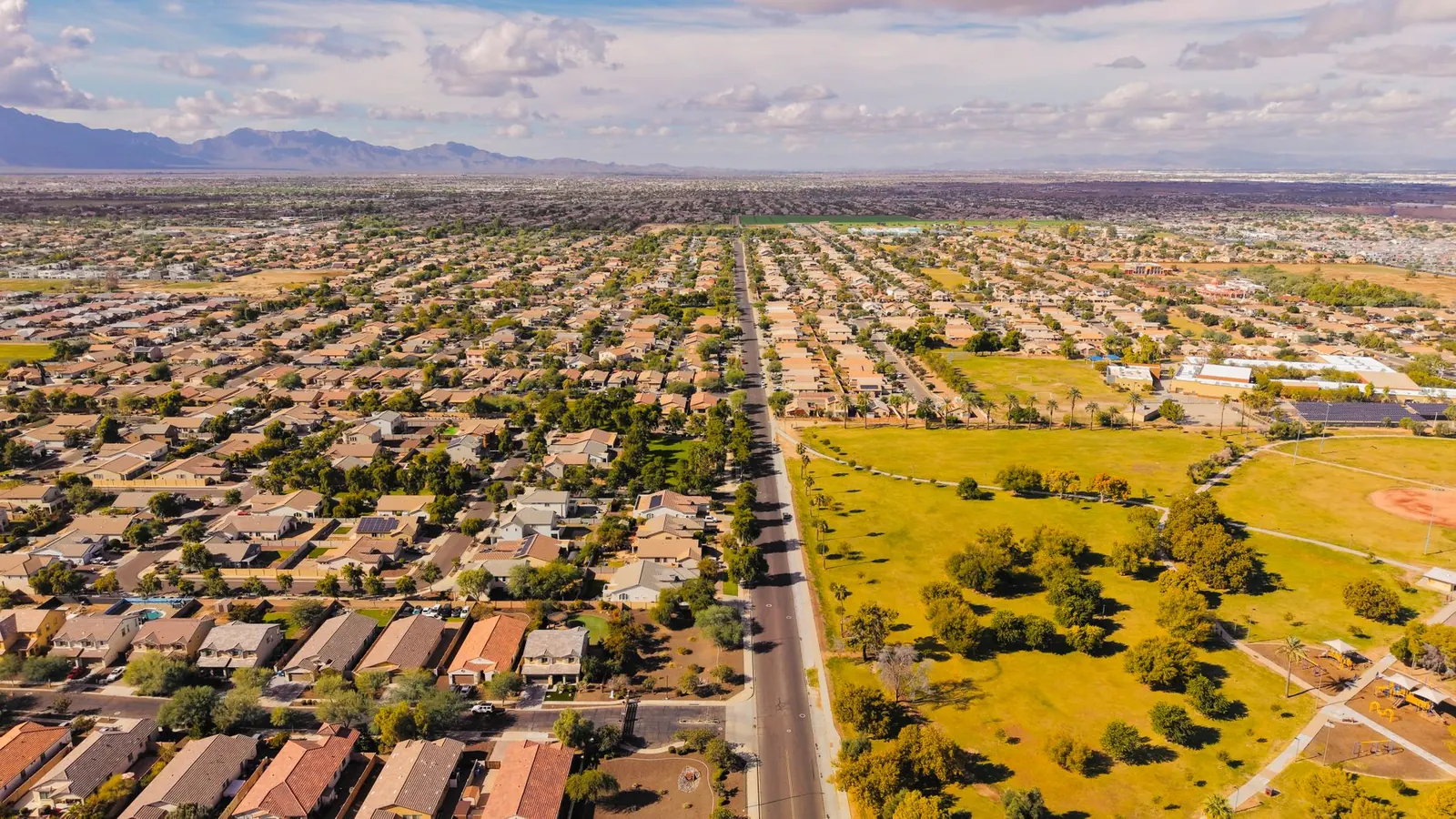
Most of Phoenix follows a large grid of major streets set about a mile apart, which makes navigation easier than in many cities. Central Avenue runs north to south through the middle of town and splits addresses into east and west. The city itself is divided into planning areas called urban villages, and you will see those names on city maps, zoning notices and neighborhood association signs. Beyond the city limits, the wider Valley includes separate cities such as Scottsdale, Tempe and Mesa, which we cover in Phoenix Suburbs Compared: Scottsdale, Tempe, Mesa, Chandler and More.
Downtown and the central core
Downtown Phoenix has high-rise apartments, sports venues, a university campus, museums and the light rail. Just north of it, the Roosevelt Row arts district and the historic neighborhoods around it offer older homes, small galleries and restaurants. This is one of the few parts of the Valley where living without driving every day is realistic. See Living in Downtown Phoenix and Roosevelt Row for a closer look.
Midtown and the historic districts
Midtown stretches along Central Avenue and the light rail line. It mixes office towers with some of the city’s historic residential districts, where you will find 1920s to 1950s homes, mature trees and irrigated lawns. Many of these districts have design guidelines, so renovations and exterior changes can require review. If you like older architecture and want to be close to downtown, this is a good place to start looking.
Arcadia and the east side
Arcadia sits near Camelback Mountain on the east side of the city. It is known for large lots, citrus trees that once belonged to old groves and ranch-style homes, many of which have been rebuilt or remodeled. It tends to be one of the more expensive areas of Phoenix. Nearby areas along Camelback Road offer restaurants and shopping, and Scottsdale and Tempe are a short drive away.
North Phoenix
North Phoenix covers a large area with newer subdivisions, shopping centers and employment hubs near the Loop 101. Homes here are more likely to be recent construction with community pools and homeowner associations. Much of it is close to the Phoenix Mountains Preserve and other desert parks, which makes it popular with hikers. Commutes to downtown can be long, so check the drive at rush hour.
Ahwatukee and the south side
Ahwatukee is part of Phoenix but sits on the south side of South Mountain, somewhat separated from the rest of the city. It feels like a suburb, with master-planned communities, golf courses and quick access to trails in South Mountain Park. Commuters often head east toward Tempe and Chandler. South Phoenix, on the north side of the mountain, has older neighborhoods, farms and some of the city’s most affordable housing, along with new development.
West Phoenix and Laveen
West Phoenix includes established neighborhoods near the I-10 and newer subdivisions farther out. Laveen, in the southwest, has grown quickly and offers newer homes at prices that are often lower than on the east side. These areas can work well for people who commute west toward Glendale or the industrial areas near the airport and the freeways.
Comparing the main areas
| Area | Typical housing | Feel |
|---|---|---|
| Downtown and Roosevelt Row | Apartments, condos, older bungalows | Urban, walkable in parts, light rail |
| Midtown | Historic homes, apartments | Central, tree-lined districts |
| Arcadia | Large-lot ranch homes, rebuilds | Upscale, near Camelback Mountain |
| North Phoenix | Newer subdivisions, HOAs | Suburban, near preserves |
| Ahwatukee | Master-planned communities | Suburban, next to South Mountain |
| West Phoenix and Laveen | Established and newer homes | Growing, often more affordable |
Tip: Drive through a neighborhood on a July afternoon if you can. Shade trees, covered parking and how close the nearest grocery store is matter much more in summer than they seem to on a mild spring visit.
Questions to ask about any neighborhood
- How long is the drive to work at rush hour, and is there a light rail or bus option?
- Is there a homeowner association, and what does it control?
- Which electric and water provider serves the address, and what do summer bills typically look like?
- Is the home in an older area with mature trees or a newer area with young landscaping?
- How close are parks, trails and grocery stores?
Which area fits you
People who want to walk to restaurants and events often start with downtown, Roosevelt Row or Midtown. Families looking for newer homes and community amenities tend to look at North Phoenix, Ahwatukee or the suburbs. Buyers watching their budget often find more options on the west and south sides. There is no single best neighborhood, only the one that fits your commute, budget and routine.
Common mistakes
The most common mistake is choosing based on a single visit in the cooler months. Another is underestimating distance: two neighborhoods that look close on a map can be 30 minutes apart at rush hour. Finally, many newcomers forget that the Valley is several cities, so taxes, services and rules can change when you cross a street. Confirm which city an address belongs to before you sign.
Frequently asked questions
Is Phoenix walkable?
Parts of downtown, Roosevelt Row and Midtown are walkable, especially near the light rail. Most of the city is built around driving.
What is an urban village?
It is one of the planning areas the City of Phoenix uses to organize zoning and neighborhood planning. Each has its own name and general character.
Which areas are newest?
North Phoenix, Laveen and parts of Ahwatukee have the most recent subdivisions, though new building happens across the Valley.
Next, compare the cities around Phoenix in Phoenix Suburbs Compared: Scottsdale, Tempe, Mesa, Chandler and More, or start budgeting with Phoenix Cost of Living: What to Budget For.