
Every summer, the weather pattern over Arizona shifts and brings moisture from the south. The result is monsoon season: dramatic storms, dust walls, lightning, sudden downpours and flooded roads. For newcomers, the first monsoon can be startling. This guide explains what to expect and how to stay safe at home and on the road.
Key takeaways
- Arizona’s official monsoon season runs from June 15 to September 30, though storms can happen outside those dates.
- In a dust storm, the state’s advice is to pull completely off the road, turn off all lights and wait.
- Never drive around barricades into flooded roads or washes; Arizona law can make drivers pay for their rescue.
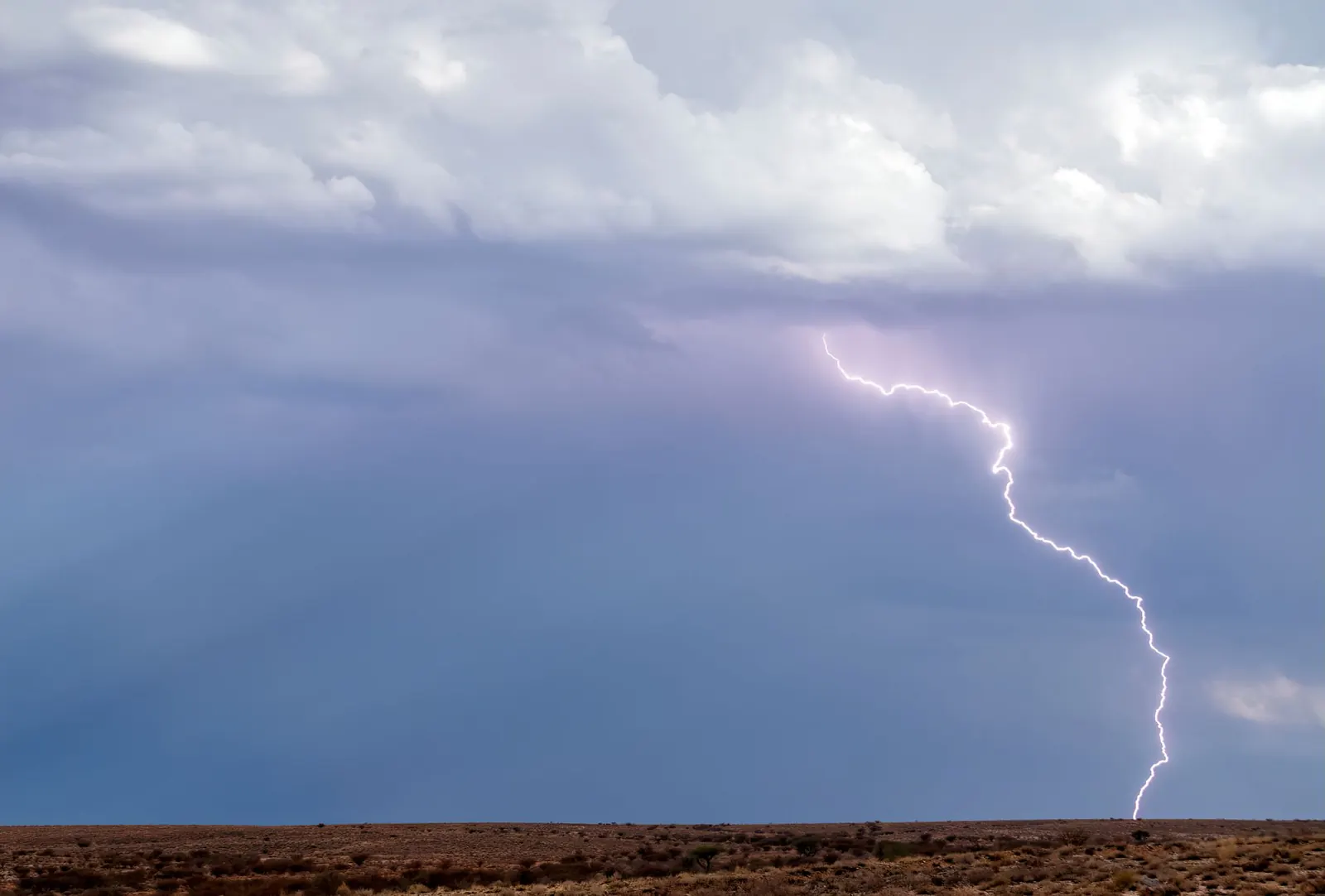
What the monsoon is
According to the National Weather Service and the Arizona Department of Transportation, Arizona’s summer monsoon season starts on June 15 and lasts through September 30. During this time, a seasonal wind shift brings moisture that fuels thunderstorms, usually in the afternoon and evening. Some days are simply humid; others bring powerful storms with strong winds, dust and heavy rain in a short time.
Dust storms
Strong outflow winds from storms can lift huge amounts of dust and push it across the desert as a moving wall, sometimes called a haboob. Visibility can drop to nearly zero within seconds. Dust storms are especially dangerous on highways, where they can cause multi-vehicle crashes.
Pull Aside, Stay Alive
The state transportation department’s advice for drivers is known as Pull Aside, Stay Alive. Never drive into a dust storm. If one reaches you, exit the roadway completely if you can, and do not stop in a travel lane or emergency lane. Turn off all vehicle lights, including emergency flashers, so other drivers do not follow your lights and hit you. Set the parking brake, take your foot off the brake pedal, stay buckled and wait for the dust to pass.
Flooding and washes
Desert ground absorbs little water, so heavy rain runs off quickly into streets and washes, which are dry channels that can fill with fast-moving water in minutes. Water can be deeper and faster than it looks, and it can carry debris. Never drive or walk into flowing water. Arizona’s so-called stupid motorist law allows drivers who go around barricades into a flooded road to be billed for the cost of their rescue.
Dust storm vs flash flood
| Dust storm | Flash flood | |
|---|---|---|
| Main danger | Sudden loss of visibility on roads | Fast water in streets and washes |
| What to do | Pull off, lights off, foot off brake, wait | Turn around, do not cross, find another route |
| Warning signs | Wall of dust approaching, strong wind | Heavy rain nearby, rising water, closed roads |
Tip: Keep wireless emergency alerts turned on in your phone settings. The National Weather Service sends dust storm and flash flood warnings to phones in the affected area.
Lightning
Monsoon storms bring frequent lightning. If you can hear thunder, you are close enough to be struck. Get indoors or into a hard-topped vehicle, and stay away from pools, open fields and ridges. Hikers should plan to be off exposed trails before afternoon storms build.
Preparing your home
- Secure or store patio furniture, umbrellas and trash bins before storms.
- Trim trees and remove dead branches that could fall in high winds.
- Clear roof drains, gutters and yard drainage.
- Keep flashlights and charged batteries ready for power outages.
- Know how to reach your electric provider to report outages.
Power outages
Storms can knock out power, sometimes during intense heat. Have a plan for where to go if the power is out for a long time, especially for older relatives or anyone who relies on medical equipment. Keep your phone charged when storms are forecast, and do not use generators indoors.
After the storm
Watch for downed power lines and stay far away from them. Roads may have debris, mud or standing water. If your home was damaged, take photos before cleaning up and contact your insurer. Check on neighbors if it is safe to do so.
Common mistakes
The most common mistake is driving into a dust storm hoping to get through it. Another is trying to cross a flooded road that looks shallow. Newcomers also sometimes leave outdoor items unsecured and find them in a neighbor’s yard or pool. Learn the rules before your first monsoon, and let storms pass rather than racing them.
Frequently asked questions
When is monsoon season in Arizona?
Officially June 15 to September 30.
What should I do if a dust storm hits while driving?
Pull completely off the road, turn off all lights, set the parking brake, take your foot off the brake, stay buckled and wait.
What is the stupid motorist law?
An Arizona law that allows drivers who go around barricades into flooded roads to be billed for their rescue.
Read Living With Phoenix Summer Heat: A Newcomer’s Guide for the rest of the summer, and Choosing Where to Live in Phoenix Around Your Commute for everyday driving.