
Phoenix has some of the most accessible hiking of any large city, with desert mountains and preserves right inside the city limits. That access comes with real risk: heat, steep rocky trails and limited shade lead to many rescues every year. This guide explains how to hike safely, the city’s trail heat rules and how to choose the right trail and time.
Key takeaways
- On days with a National Weather Service Extreme Heat Warning, Phoenix closes several of its busiest trails from 8 a.m. to 5 p.m.
- Dogs are not allowed on City of Phoenix trails when the temperature is above 100 degrees.
- Carry more water than you think you need, start early and turn back before you run low.
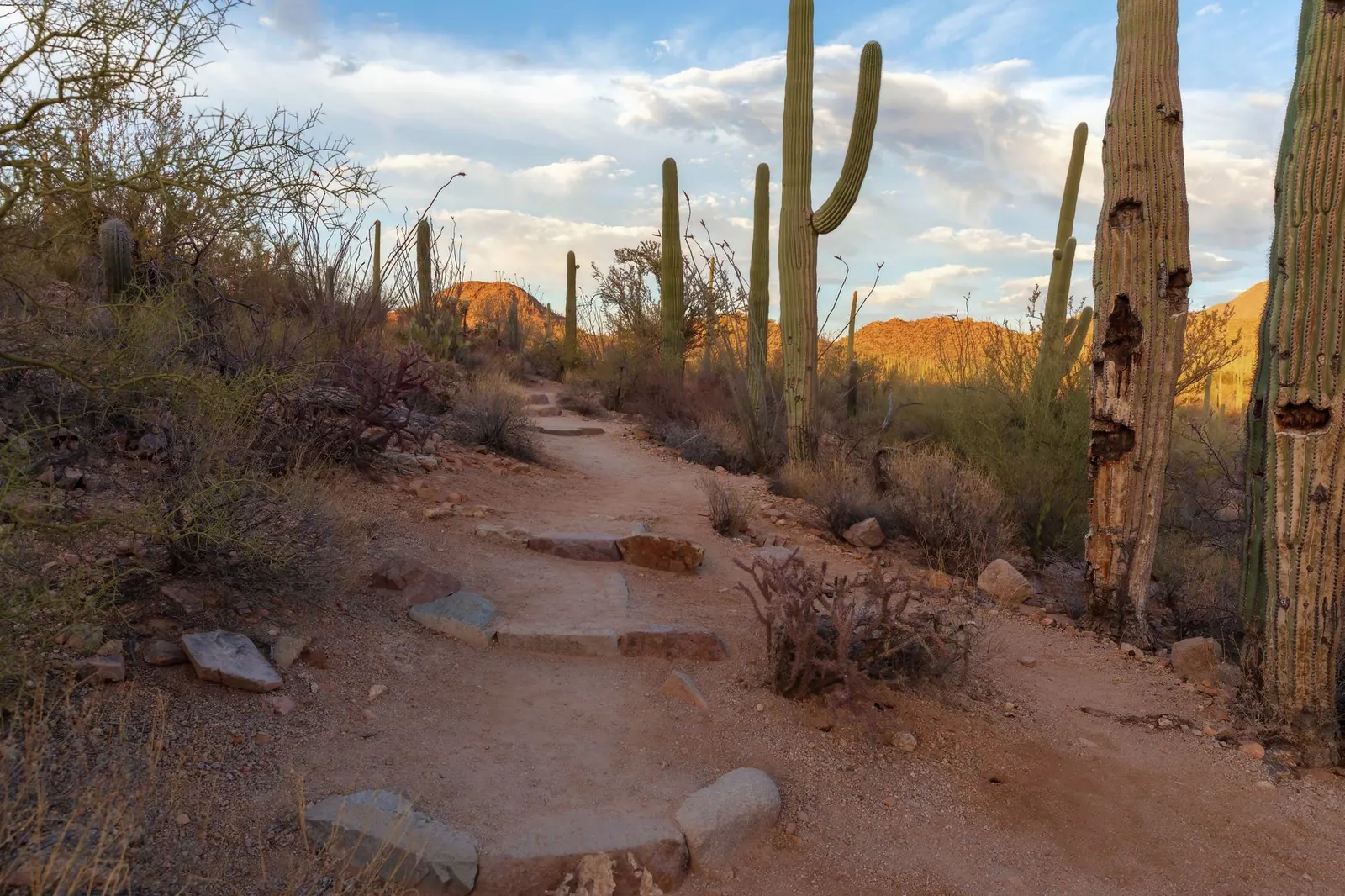
The city’s trail heat safety program
According to the City of Phoenix, on days when the National Weather Service issues an Extreme Heat Warning, Camelback Mountain’s Echo and Cholla trails, all trails associated with the Piestewa Peak trailhead in the Phoenix Mountains Preserve, and trails in South Mountain Park and Preserve close from 8 a.m. to 5 p.m. The city says the program helps reduce rescues on its most difficult trails during the hottest part of the day. Trails can also close for other reasons, so check the city’s parks website before you go.
Dogs on the trail
The city does not allow dogs on its trails when temperatures are above 100 degrees, and dogs are not allowed on the Piestewa Peak Summit Trail at any time. Rocky surfaces get very hot, and dogs cannot cool themselves as well as people. Even on cooler days, bring water for your dog and turn back early if it slows down.
Timing your hike
In the hottest months, many hikers start at or before sunrise and finish by mid-morning. In winter and spring, midday hikes can be pleasant. Remember that the hike down can take as long as the climb and that temperatures rise quickly after sunrise. Plan to be finished well before the heat of the day.
What to bring
- More water than you expect to need, plus electrolytes on longer hikes.
- A hat, sunglasses and sunscreen.
- Shoes with good grip for loose rock.
- A charged phone, and tell someone your route and return time.
- A small first aid kit.
Summit trails vs flatter trails
| Steep summit trails | Flatter desert trails | |
|---|---|---|
| Examples | Camelback, Piestewa Peak | Many routes in the preserves and parks |
| Difficulty | Steep, rocky, crowded | Easier grades, more room |
| Heat rules | Some close on extreme heat warning days | Heat still dangerous; start early |
| Good for | Experienced hikers in cool weather | Newcomers and families |
Which trail fits
If you are new to desert hiking, start with shorter, flatter trails and learn how your body handles heat and dry air. The famous summit hikes are steep and busy and are best saved for cooler months once you know your pace. South Mountain Park and the Phoenix Mountains Preserve both have trails for different abilities; see South Mountain Park and Preserve: A Guide for New Residents.
Tip: Use a turnaround rule: when half your water is gone, head back, even if you have not reached your goal. In desert heat, the trip back is often harder than the trip out.
Trail etiquette
Stay on marked trails to protect desert plants and avoid getting lost. Yield appropriately to other users, pack out your trash and do not climb on fragile rock or cactus. Some popular trailheads have limited parking and fill early; arriving at sunrise helps.
If something goes wrong
If you or someone with you shows signs of heat illness, such as dizziness, confusion, nausea or stopping sweating, stop, find shade and call 911 if symptoms are serious. Do not push on to finish. Note your trail name and nearest trail marker so rescuers can find you.
Common mistakes
The most common mistake is starting too late in the day. Another is bringing a single small bottle of water on a hike that takes hours. Newcomers also sometimes choose the hardest, most famous trail first. Build up gradually, check trail status before you go and remember that in summer the safest hike may be a very early one or none at all.
Frequently asked questions
Which Phoenix trails close in extreme heat?
According to the city, Echo and Cholla trails on Camelback, trails at the Piestewa Peak trailhead and South Mountain Park trails close 8 a.m. to 5 p.m. on Extreme Heat Warning days.
Can I bring my dog hiking?
Not on city trails when it is above 100 degrees, and never on the Piestewa Peak Summit Trail.
When is the best hiking season?
Late fall through spring, when temperatures are milder.
Plan a day out with South Mountain Park and Preserve: A Guide for New Residents or read Living With Phoenix Summer Heat: A Newcomer’s Guide.