
Water is precious in the desert, and many Phoenix homes use landscaping designed for a dry climate. If you are moving from a place with green lawns and regular rain, the yards here may look very different. This guide explains desert landscaping, how irrigation usually works and simple ways to save water at home, whether you rent or own.
Key takeaways
- Desert landscaping uses native and drought-adapted plants, gravel and drip irrigation to save water.
- Many homes have automatic irrigation systems that need seasonal adjustment.
- Cities and water providers in the Valley often offer water-saving programs and guides.
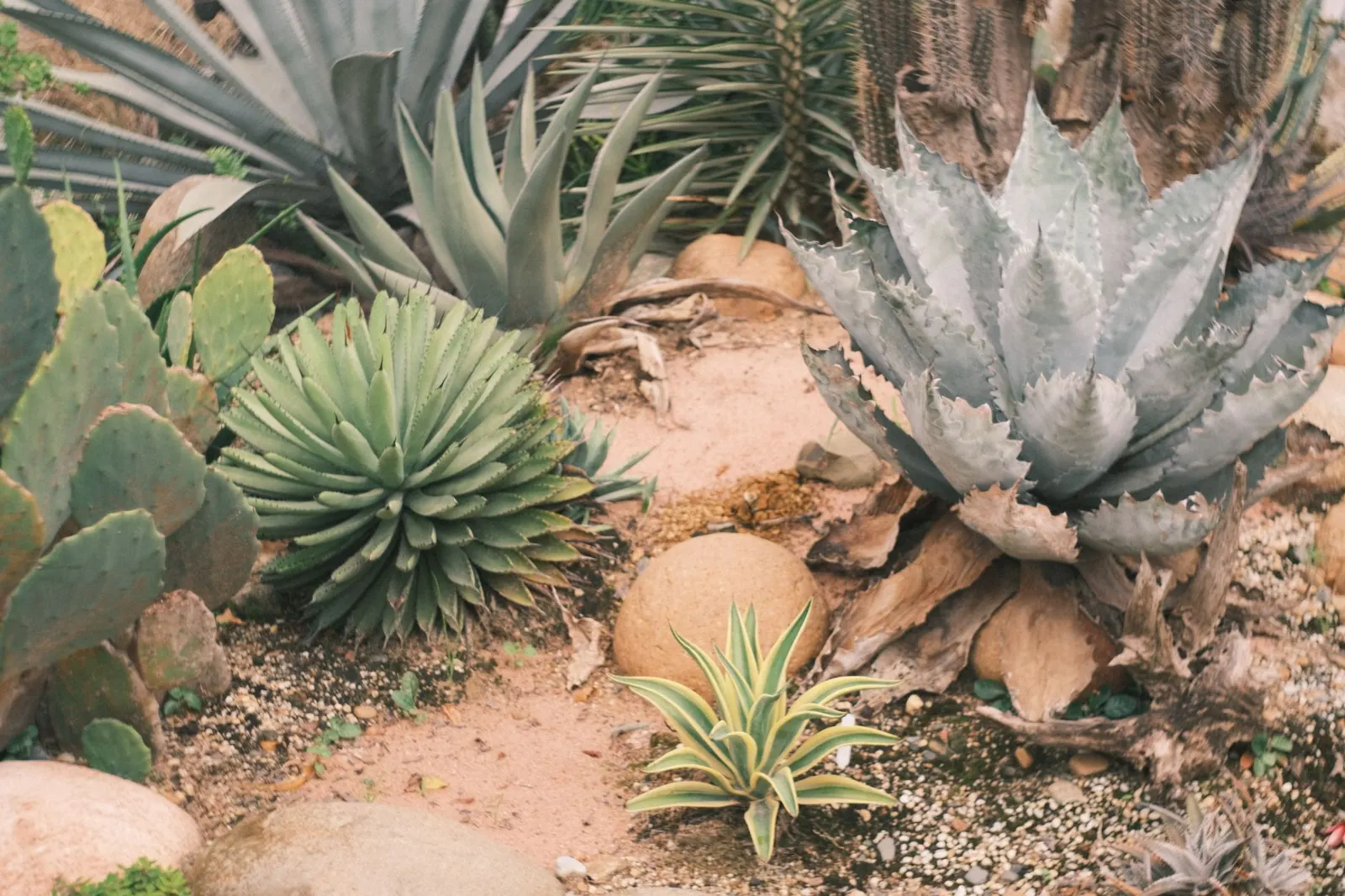
What desert landscaping means
Desert landscaping, sometimes called xeriscaping, uses plants that handle heat and low rainfall, such as cacti, agave, desert trees and flowering shrubs adapted to the Southwest. Instead of lawn, many yards use decomposed granite or gravel. Some older central neighborhoods still use flood irrigation for grass and trees, where water is delivered on a schedule. Both styles exist in the Valley.
Lawn vs desert landscaping
| Grass lawn | Desert landscaping | |
|---|---|---|
| Water use | High, especially in summer | Low once plants are established |
| Upkeep | Mowing, reseeding, fertilizer | Occasional pruning and weed control |
| Summer look | Needs frequent watering to stay green | Adapted plants handle heat |
| Kids and pets | Soft play surface | Gravel can get hot; add shaded play areas |
Which fits your home
Families with young children or dogs sometimes keep a small patch of grass or artificial turf for play, and use desert plants elsewhere. People who travel or want low upkeep often choose fully desert yards. If you rent, the landlord or HOA usually decides the style, but you can still water wisely.
How irrigation systems work
Most newer homes have automatic drip irrigation that delivers water directly to plant roots through small emitters. A controller, usually in the garage or on an outside wall, sets how often and how long each zone runs. Plants need more water in summer and much less in winter, so the schedule should change with the seasons. Leaks in drip lines are common and can waste a lot of water unnoticed.
Tip: Check your irrigation controller at least four times a year, at the change of each season. A schedule left on summer settings through winter wastes water and can harm plants.
Saving water indoors
- Fix dripping faucets and running toilets quickly.
- Run dishwashers and washing machines with full loads.
- Take shorter showers and consider water-efficient fixtures.
- Watch your water bill for sudden jumps that could mean a leak.
- Learn where your main shut-off valve is.
Pools
Pools are common in Phoenix and lose water through evaporation, especially in summer. A pool cover can reduce evaporation. Check regularly for leaks, and follow your city’s rules on draining pool water. Pool safety barriers and supervision are essential for homes with children.
Shade trees
Well-placed trees can cool a home and yard. Desert-adapted trees provide shade with less water than many trees from wetter climates. Plant them where they will shade west- and south-facing walls and windows, and water deeply but less often so roots grow down. Local nurseries and extension services can recommend species suited to the Valley.
Programs and rules
Many cities and water providers in the Valley publish landscape plant lists, watering guides and conservation programs, and some offer incentives for replacing grass with desert landscaping. HOAs may have their own rules on plant choices, gravel colors and front yards, so check before changing a yard. Rules and programs vary by city.
Desert wildlife in the yard
Desert yards attract birds, lizards and insects, which many residents enjoy. Some pests, such as scorpions, are also common in parts of the Valley. Sealing gaps around doors and windows, keeping debris and woodpiles away from the house and regular pest control help. Shake out shoes and clothing left outdoors.
Common mistakes
The most common mistake is overwatering, especially in winter. Another is planting species from wetter climates that struggle in summer heat. Newcomers also sometimes ignore small irrigation leaks. Walk your yard while the system runs a few times a year to spot problems early.
Frequently asked questions
What is xeriscaping?
Landscaping designed to use little water, with drought-adapted plants, mulch or gravel and efficient irrigation.
How often should I water desert plants?
It depends on the plant, season and soil. Established desert plants need much less water in winter than in summer. Local watering guides give schedules.
Can I have a lawn in Phoenix?
Some homes do, but lawns use far more water. Check HOA and city rules and consider smaller turf areas.
More on summer at home: Living With Phoenix Summer Heat: A Newcomer’s Guide. Budgeting utilities: Phoenix Cost of Living: What to Budget For.